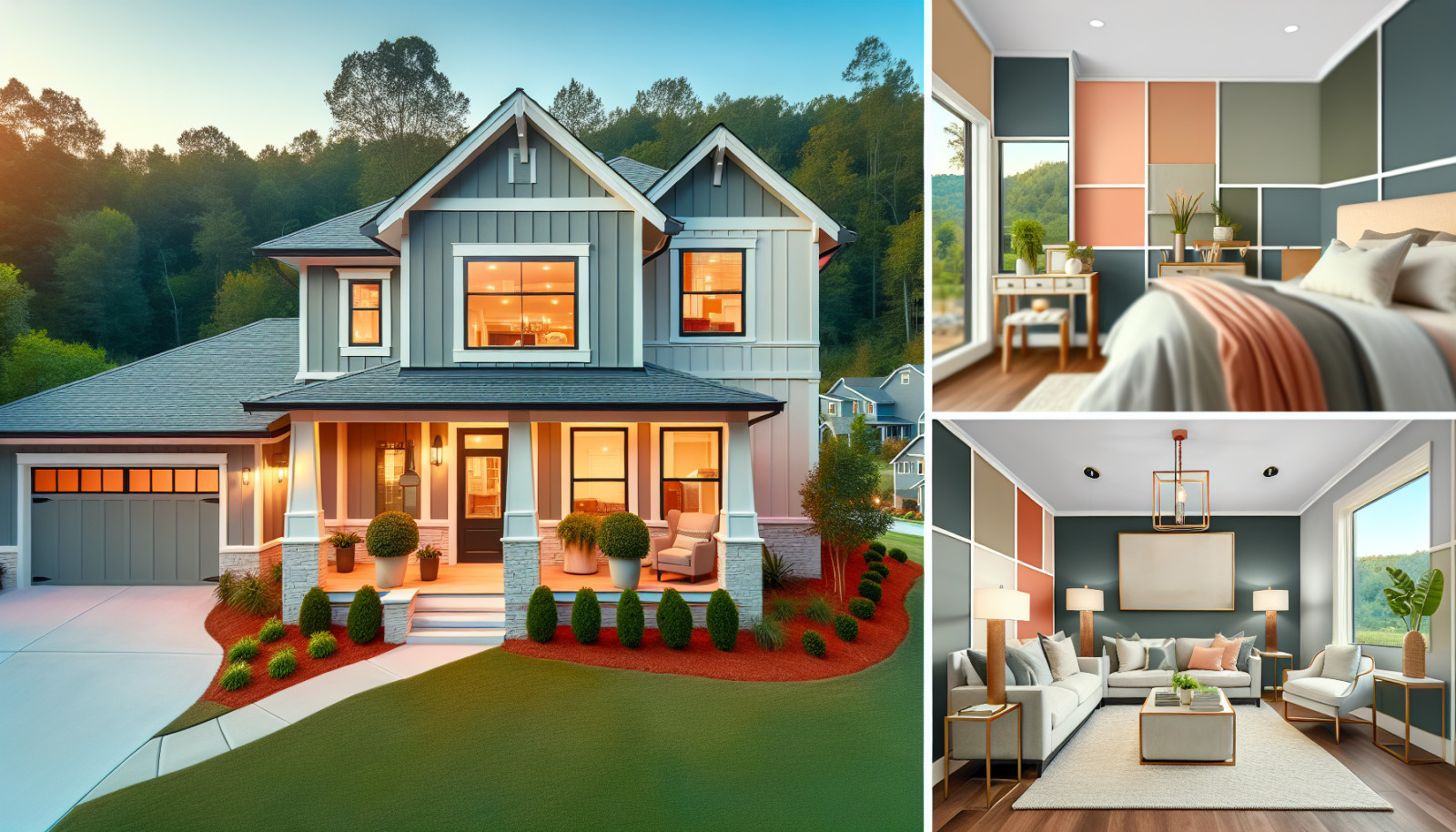
Elevating Your Douglasville, Georgia Home's Value Through Paint Color Selection
- Understanding the Impact of Paint Colors on Home Value in Douglasville, Georgia.
In Douglasville’s competitive market—where buyers include metro Atlanta commuters, Douglas County families, and move-up buyers from neighborhoods like Chapel Hills, Brookmont, and Tributary at New Manchester—fresh, well-chosen paint is one of the most cost-effective upgrades you can make before listing. Updated paint improves listing photos, helps rooms feel larger and brighter, and communicates “well-maintained” the moment a buyer steps through the door. Homes near downtown Douglasville’s historic district, for example, often feature older floor plans with smaller rooms; a cohesive, light-neutral palette visually opens those spaces, translating to more showings and stronger offers.
Suzette Abramson and The Nestwell Group regularly see repainted homes sell faster because buyers don’t mentally budget for repainting right after closing. In a region with many treed lots, long porches, and natural shade—think properties around Anneewakee Trails and Slater Mill—correctly chosen colors also counteract the green and warm light casts that can make poorly chosen paint look dingy. The right palette is a subtle but powerful value lever.
- Choosing the Right Paint Colors for Maximum Appeal and ROI in Douglasville, Georgia.
For maximum ROI, choose a palette that:
1) Photographs beautifully for online views,
2) Flatters Douglasville’s natural light (warm southern sun, tree canopy shade, and red clay reflectance), and
3) Aligns with current buyer expectations seen in nearby new construction corridors off Chapel Hill Road and Riverside Parkway.
That usually means modern neutrals (warm grays and greiges), consistent sheens (eggshell on walls, satin on trim and doors), and careful attention to undertones. Address condition as well as color: humidity in west Georgia can emphasize surface imperfections; light to mid-tone neutrals with a washable finish keep walls looking clean through showings.
General Rules for Painting Your Douglasville, Georgia Home Before Listing
1. Opt for Neutral Paint Colors in Douglasville, Georgia
- The Universal Charm of Neutral Tones in Douglasville, Georgia.
Neutrals are a proven winner across Douglasville price points—from established brick ranches near Lithia Springs to Craftsman homes in Tributary. Warm grays and greiges feel fresh without skewing too cool, while soft beiges keep traditional buyers comfortable. These hues complement common local finishes like oak or espresso-stained floors, granite varieties you often see in re-sales (such as Santa Cecilia or Ubatuba), and the white trim that’s prevalent in many two-story traditionals.
- Creating a Neutral Canvas: Key to Selling Your Douglasville, Georgia Home.
A cohesive neutral palette ties living rooms, dining rooms, and hallways together, letting buyers focus on the home’s strengths: generous backyards, proximity to Sweetwater Creek State Park, or a quick hop to I-20 for commuting. A single main color through common areas keeps flow consistent and reduces visual “choppiness,” which helps rooms feel larger.
- Avoiding Bold and Distracting Colors in Douglasville, Georgia.
Bold colors can limit your buyer pool. For instance, deep crimson dining rooms—once popular in some Chapel Hills homes—now date a space in photos and in person. Intense purples, bright greens, or high-contrast accent walls risk clashing with existing floors and countertops. Keep color drama to easily repainted areas like the front door; inside, let furnishings provide the personality.
2. Consider the Undertone: A Douglasville, Georgia Perspective
- The Significance of Undertones in Douglasville, Georgia Home Painting.
Undertone determines how a color “behaves” in your specific light. Douglasville’s landscape influences indoor light in two ways: dense tree canopies cast a soft, cool-green filter, while the region’s warm sunlight and red clay create warm reflections, especially in south- and west-facing rooms. The wrong undertone can shift a gray to blue or a beige to pink.
- Undertones That Harmonize with Douglasville, Georgia's Unique Features.
Greiges with a warm, balanced undertone perform consistently well across Douglas County homes. In shaded lots around Hunter Park or properties with screened porches, choose warm-leaning neutrals to counter cool shade. In bright, open newer builds off Riverside Parkway, neutrals with a slight depth keep spaces from feeling washed out.
- Selecting Warm, Cool, or Neutral Undertones for Douglasville, Georgia Homes.
• Warm undertones: Great for heavily shaded lots and north-facing rooms; they bring life back into the space.
• Cool undertones: Use sparingly; they can turn icy under treed canopies or beside creamy tile.
• Neutral undertones: Most forgiving and universally appealing across local architecture, from brick ranches to Craftsman styles.
3. Follow Douglasville, Georgia Neighborhood Trends
- Gauging Paint Color Trends in Douglasville, Georgia’s Real Estate Market.
Buyers touring multiple communities—Brookmont, Chapel Hills, and Tributary—see a lot of current palettes in new construction and updated resales. The market signals a preference for soft whites, greiges, and warm grays, with black or deep charcoal accents reserved for hardware, front doors, or islands.
- Balancing Personal Preferences and Douglasville, Georgia Community Expectations.
You don’t have to love greige to choose it for resale. Give buyers a move-in-ready canvas, then carry your personal style to your next home. In HOA neighborhoods along Chapel Hill Road, consistency with community standards matters; too bold an exterior can conflict with guidelines and deter buyers accustomed to cohesive streetscapes.
- Adapting to Douglasville, Georgia Architectural Styles and Neighborhood Vibes.
• Brick ranches near older corridors: Neutrals that respect the brick’s warmth.
• Two-story traditionals in Brookmont: Soft wall colors that play well with two-story foyers and staircases.
• Craftsman homes in Tributary: Earthy, nature-aligned palettes with crisp white trim.
• Farmhouse-influenced homes on acreage west of downtown: Creamy whites with contrasting black or bronze accents.
Best Paint Colors for Selling a Douglasville, Georgia House: Room By Room
Common Areas: Living, Dining, and Hallways in Douglasville, Georgia
- The Great Gray vs. Beige Debate in Douglasville, Georgia.
“Gray” dominated the last decade, but in Douglasville’s light, pure cool grays can look cold. Beige can skew yellow against modern finishes. The sweet spot is greige or a warm gray—inviting, current, and flexible.
- The Allure of Warm Gray Tones: A Douglasville, Georgia Favorite.
Warm grays keep rooms feeling contemporary while aligning with warm floors and creamy trim found throughout the area. They also photograph beautifully—crucial for online listing traffic from Atlanta-area buyers.
- Top Paint Color Recommendations for Douglasville, Georgia Common Areas.
Consider these time-tested choices for walls (eggshell) and trim (satin or semi-gloss):
• Sherwin-Williams Agreeable Gray (a balanced greige that works with both beige and gray decor)
• Sherwin-Williams Repose Gray (slightly cooler but still warm-leaning)
• Sherwin-Williams Accessible Beige (a modern beige that won’t read yellow)
• Benjamin Moore Edgecomb Gray (soft, airy greige, great for light-challenged rooms)
• Benjamin Moore Classic Gray (light, elegant, excellent for homes with abundant natural light)
Keep ceilings bright white to maximize height and light.
Douglasville, Georgia Kitchen Painting Strategies
- Coherence Across Douglasville, Georgia Homes: Consistency is Key.
Make the kitchen feel like part of the home, not a separate design chapter. Use your main wall color or a lighter adjacent shade, especially in open-concept plans common in newer Riverside Parkway communities. Maintaining consistent tones through the breakfast nook and into the family room creates flow.
- Adding Dimension to Douglasville, Georgia Kitchens: Creative Shade Choices.
If you want subtle definition, shift one shade lighter or deeper on the same color strip for a breakfast area or butler’s pantry. For islands, consider a tasteful contrast: deep navy, charcoal, or a muted slate can add depth without overpowering the space. This approach pairs well with granite varieties often found in Douglasville resales.
- Douglasville, Georgia Cabinet Painting: Safety in White or Other Options.
Painting cabinets is a high-ROI move. Soft whites and off-whites stay timeless and brighten kitchens that lack abundant natural light due to covered patios or mature trees. Consider:
• Sherwin-Williams Alabaster (soft, welcoming white)
• Sherwin-Williams Pure White (clean and crisp, but not stark)
• Benjamin Moore Chantilly Lace (bright, versatile white)
For alternatives, try a light greige on lowers with white uppers, or a deep navy island with white perimeter cabinets. Use durable cabinet enamel; Douglasville’s humidity and busy households demand a washable, hard-wearing finish.
Bedrooms: Douglasville, Georgia’s Unique Considerations
- The Role of Bedrooms in Douglasville, Georgia Homebuyer Decisions.
Buyers focus on the primary suite and secondary bedrooms, particularly families targeting Chapel Hill High and Alexander High districts. Calm, restful palettes make these rooms feel like retreats after commutes along I-20.
- Cost-Effective Bedroom Repainting: A Douglasville, Georgia Analysis.
A fresh coat in secondary bedrooms neutralizes bold kid or hobby colors. Refreshing trim and doors to a clean white provides a crisp, “like-new” feel without replacing flooring. If you’re prioritizing, start with the primary suite and any room with the boldest existing paint.
- Consulting Douglasville, Georgia Real Estate Experts on Bedroom Colors.
Suzette Abramson advises sellers on bedroom palettes that suit their specific light and finishes. She often recommends:
• Soft greiges for universal appeal
• Pale blue-grays for primary suites to suggest serenity
• Gentle taupes in rooms with very little natural light
This guidance ensures your palette resonates with the widest pool of buyers touring Douglasville homes.
Bathroom Paint Choices in Douglasville, Georgia
- Douglasville, Georgia Bathroom Design: A Touch of Personality.
Bathrooms can handle a whisper of color while staying neutral. In homes with builder-grade beige tile common to many 1990s and 2000s builds, avoid overly cool grays that can make tile look muddy. Light, spa-inspired tones feel fresh and clean.
- Coordinating Douglasville, Georgia Bathroom Colors: Options and Effects.
Tie wall color to fixed elements—tile, vanity top, and flooring. For creamy travertine-look tile, choose warm off-whites or light greiges. For gray porcelain tile in newer updates, stick to soft warm grays or very light taupes to avoid a sterile feel.
- Top Bathroom Paint Recommendations for Douglasville, Georgia Homes.
• Benjamin Moore Balboa Mist (subtle greige, elegant with warm tile)
• Sherwin-Williams Silverpointe (light gray with a soft, warm edge)
• Sherwin-Williams Sea Salt (muted green-blue that reads restful, great in powder rooms)
Use satin or semi-gloss for better moisture resistance and easy cleaning.
Best Paint Colors for Selling a Douglasville, Georgia House: Exterior Facelift
- The Curb Appeal Factor in Douglasville, Georgia’s Real Estate Scene.
Curb appeal makes or breaks interest as buyers arrive from showings elsewhere in Douglas County. Fresh exterior paint communicates care—vital in neighborhoods with mature landscaping where pollen and humidity can dull finishes. A clean, current exterior palette sets expectations before buyers reach the front porch.
- Douglasville, Georgia Exterior Colors That Blend with the Neighborhood Style.
Align your exterior to the home’s architecture and community character:
• Brick ranches near older corridors: Maintain the brick and refresh trim, shutters, and door in complementary neutrals.
• Craftsman homes in Tributary at New Manchester: Earthy siding colors with crisp white or creamy trim and darker accents.
• Two-story traditionals in subdivisions like Brookmont: Light to mid-tone body colors with white trim and a contrasting door.
- Pops of Color: Douglasville, Georgia Front Doors as Focal Points.
A well-chosen door color adds personality without overwhelming the block. Options that resonate locally include classic red for traditional brick, deep navy or charcoal for Craftsman styles, and muted teal or soft sage for homes bordered by heavy greenery. Choose a high-quality exterior paint with mildew-resistant properties to handle Georgia’s humidity.
- Specific Exterior Paint Color Picks for Douglasville, Georgia Homes.
Try these combinations, chosen to work with our region’s red clay, tree canopy, and common roof colors:
1) For Red or Mixed-Color Brick Ranches
• Trim: Creamy white (e.g., a soft, warm white that doesn’t glare)
• Shutters: Deep charcoal or classic black
• Front Door: Traditional red, navy, or a deep forest green
This scheme respects the brick’s warmth and instantly updates without painting the brick.
2) For Craftsman Siding (Fiber Cement or Wood) in Tributary/Similar Communities
• Body: Warm greige or earthy taupe
• Trim: Clean white
• Accent/Columns: Deeper brown-gray or charcoal
• Front Door: Slate blue, olive, or a rich aubergine
This palette harmonizes with wooded streetscapes and neighborhood character.
3) For Two-Story Traditionals with Light Siding
• Body: Soft warm gray or pale greige
• Trim: Bright white for crisp lines
• Shutters: Charcoal or deep navy
• Front Door: Glossy black, navy, or muted red
It photographs beautifully and suits a variety of roof shingles seen around Chapel Hill Road.
4) Considering Painted Brick
If your community allows it, a limewash or light, warm white can modernize dated brick while preserving texture. Pair with natural wood or bronze accents for a high-end look common to recent Atlanta-area renovations. Always confirm HOA guidelines before proceeding.
Practical exterior tips for Douglasville:
• Choose mildew-resistant, UV-stable paint due to humidity and strong sun.
• Opt for satin on body and semi-gloss on trim for durability and easy cleaning.
• Keep foundation and porch colors practical; Georgia red clay splashes are less noticeable on mid-tones than on bright whites.
—
Working with Suzette Abramson and The Nestwell Group ensures every color choice supports your pricing strategy and target buyer. Suzette’s on-the-ground experience in Douglasville neighborhoods—combined with a curated vendor list of reliable local painters—means you’ll get expert guidance on undertones, compliance with HOA standards, and a palette plan that photographs and shows beautifully. From selecting a whole-home neutral for a Chapel Hills two-story, to choosing the perfect front door color for a Craftsman in Tributary, to refreshing a brick ranch near downtown’s historic district, Suzette helps you focus on the updates that matter most for speed, appeal, and return on investment.
If you’re prepping to sell in Douglasville or anywhere in Douglas County, reach out to Suzette Abramson at The Nestwell Group for a tailored paint strategy, room-by-room recommendations, and trusted pro referrals. With the right colors—and the right guidance—your home can stand out in photos, win buyers at the curb, and command top dollar on closing day.